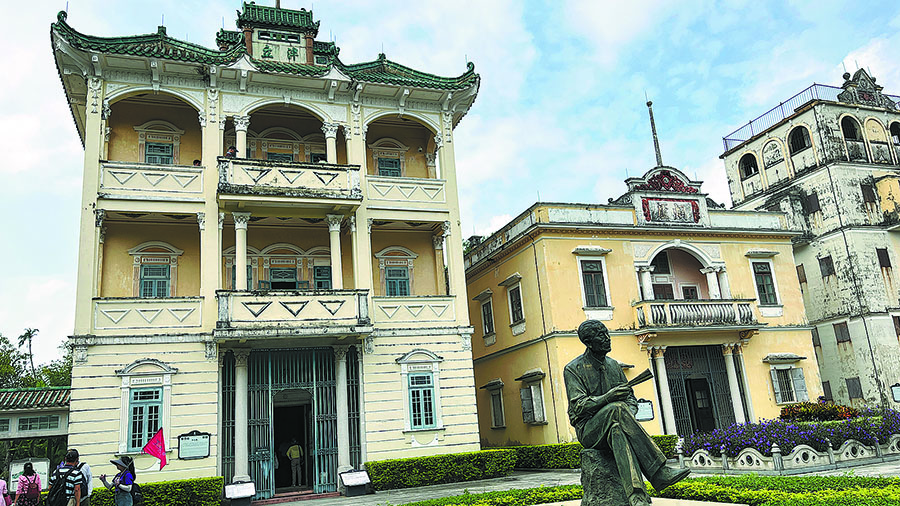
Kaiping Diaolou and Villages
Introduction
Kaiping diaolou and villages in Guangdong province, China, represent a unique and compelling blend of architectural styles and cultural history. This vernacular site is characterized by its iconic multi-story tower-style buildings known as diaolou, which integrate defensive features, residential functions, and an eclectic mix of Chinese and Western architectural elements. The Kaiping diaolou harmoniously coexist with the surrounding rural landscapes, reflecting the region's rich historical and cultural tapestry. Recognized for their outstanding universal value, the Kaiping Diaolou and Villages were inscribed as a UNESCO World Heritage Site on June 27, 2007, highlighting their significance as cultural landmarks that encapsulate the history and heritage of the area.
History
The history of the Kaiping diaolou is closely intertwined with the socio-economic circumstances and difficulties experienced by the indigenous population of Kaiping. Situated amidst Xinhui, Taishan, and Enping, the region witnessed a time of disorder and rampant banditry throughout the Ming Dynasty (1368-1644). These circumstances, coupled with the area's vulnerability to floods caused by typhoons and storms, prompted the local villagers to construct the diaolou as fortified refuges for protection against both natural and human threats. The tradition of building defensive towers in Kaiping has its roots in the Ming Dynasty and represents a local response to the persistent threat of banditry.
The late 19th and early 20th centuries marked a significant period for Kaiping as many residents emigrated to Southeast Asia, Australia, and North America in search of better opportunities. This migration had a profound impact on the local culture and architecture, as returning emigrants brought back not only wealth but also new architectural styles and ideas. The diaolou stand as testaments to this cultural exchange, incorporating structural and decorative elements from Western architecture into traditional Chinese forms. The architectural styles of the diaolou reflect this interchange of human values and demonstrate the enduring link between the Chinese diaspora and their ancestral homeland.
Architecture
The architecture of Kaiping diaolou is a striking fusion of Chinese and Western styles, reflecting the diverse influences brought back by Chinese emigrants from abroad. The diaolou can be categorized into three distinct types: communal towers, residential towers, and watchtowers. Communal towers were constructed by multiple families and served as temporary refuges, with approximately 473 of these structures still in existence. Residential towers, numbering 1,149, were built by wealthy families and functioned as fortified homes, while the watchtowers, of which 221 remain, represent the latest development in diaolou architecture.
The construction materials used for the diaolou include stone, compressed earth, brick, and concrete, showcasing a confident blend of traditional and modern building techniques. The towers often feature elements such as colonnades, stone carvings, and spires influenced by European styles, as well as functional features like steep walls and mechanisms for defense. These buildings were designed with practicality in mind, particularly in their ability to withstand floods, as evidenced by the presence of kitchens on every floor.
Notable examples of Kaiping diaolou include the Panli Building in Liyuan Garden, which exhibits vivid floor tiles imported from Italy, steel windows and doors from Germany, and plumbing fixtures from the United States. Such details highlight the international influences on the architecture of the diaolou and illustrate the global connections of the Kaiping people.
Preservation and Conservation
The preservation and conservation of Kaiping Diaolou and Villages are crucial to maintaining their historical and cultural significance. As a World Heritage Site, efforts have been made to protect and restore these architectural treasures, ensuring their enduring legacy for future generations. The local government and various preservation organizations have been involved in initiatives to maintain the structural integrity and aesthetic appeal of the diaolou, often utilizing traditional materials and techniques to retain their authenticity.
Conservation projects have focused on addressing issues such as environmental degradation, structural stability, and the impact of modern development on the historical landscape. These efforts are complemented by educational programs and community engagement activities aimed at raising awareness about the importance of preserving the diaolou and the cultural heritage they represent.
Tourism
Kaiping Diaolou and Villages attract tourists from around the world, drawn by their unique architecture and rich cultural history. The site's designation as a World Heritage Site has contributed to its growing popularity, making it an important destination for cultural and heritage tourism. Visitors have the opportunity to explore the diaolou, learn about their historical context, and experience the harmonious blend of Chinese and Western architectural styles.
In recent years, efforts have been made to enhance the tourism infrastructure in Kaiping, including the development of guided tours, interpretive centers, and visitor facilities. The local government and tourism authorities have also worked to promote sustainable tourism practices that balance visitor access with the preservation of the site’s historical and cultural integrity.
The tourism sector in Kaiping not only contributes to the local economy but also plays a vital role in fostering cultural exchange and understanding. Visitors to the area can participate in a variety of cultural activities, including traditional performances, craft demonstrations, and culinary experiences, providing a deeper appreciation of the region's heritage.








